How a Heavy Blanket Changes Your Relationship with Cold Weather
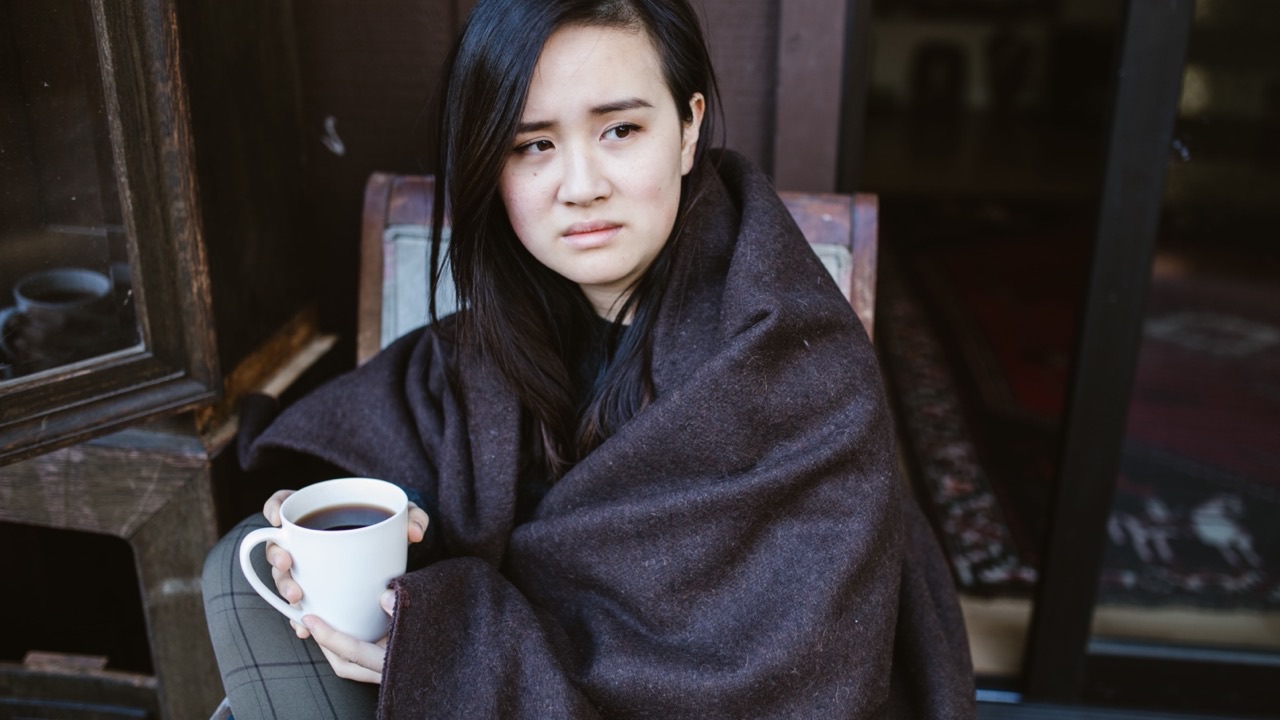
I used to manage cold weather in layers. Two sweaters in the evening, a thin blanket over my legs on the couch, the thermostat set slightly higher than comfortable just to stay ahead of the chill. It wasn’t uncomfortable exactly — I’d adapted around it — but it was a constant low-level management problem. Cold weather meant ongoing adjustments: add a layer, check the temperature, find the blanket that had slipped off, turn up the heat when the blanket wasn’t enough.
A heavy alpaca blanket changed this more than I expected. Not because the cold weather stopped, but because one object became adequate by itself in a way that a thin throw plus two sweaters hadn’t been.
The weight difference and why it matters
Weight in a blanket isn’t just warmth — it’s containment. A light throw on a couch moves when you shift position, slides off when you reach for something, gaps open when you stretch. The result is intermittent warmth rather than continuous warmth, and your body constantly adjusts to the varying coverage.
A heavy blanket stays where you put it. The weight keeps it draped across you rather than following every movement. The coverage is consistent because the blanket isn’t moving off you every time you shift. This sounds like a minor mechanical point but its effect on evening comfort is significant — you’re not tracking where the blanket is or whether you’re still covered. You’re just warm.
For an alpaca blanket specifically, the weight per warmth ratio is better than most alternatives. Alpaca fiber is warmer by weight than sheep’s wool, which means an alpaca blanket that provides significant warmth is still lighter than a cotton or synthetic equivalent at the same thermal output. You get the weight and drape properties without the heaviness of a cotton quilt at equivalent warmth.
What changes about the evening
I noticed the change within a week. I stopped thinking about the thermostat. Not because the house was warmer — I actually set it slightly lower — but because the blanket covered the gap between the air temperature and comfortable. I stopped layering. The thermal management problem that had been a background noise in cold evenings essentially disappeared because one thing handled it.
This is a small but real change in how you experience the winter months at home. Cold weather went from a problem to manage to a condition the house handles adequately. That sounds obvious, but it requires an object that actually delivers enough warmth to make it true. A thin throw can’t do this; it’s a supplement to other layers, not a solution on its own.
There’s also a behavioral effect. When you have something that genuinely keeps you warm, you reach for it earlier in the evening and use it longer. I used to abandon blanket use in October because the options available weren’t warm enough to be worth the bother — they helped a little but not enough. A heavier blanket that actually works means the season when you use it starts earlier and ends later.
The body temperature management question
Weighted blankets have been studied in sleep contexts, and the evidence on weighted pressure as a calming mechanism is mixed — but the simple thermal reality is that a blanket with more weight and density traps and distributes body heat more evenly than a thin one. There are no gaps at the sides where cold air enters. The coverage is consistent across the full length.
For cold sleepers specifically, this is the difference between a night of temperature management — pulling covers, adjusting position — and a night of simply sleeping. The blanket handles the thermal environment; you stop having to manage it.
The 85% alpaca and 15% cashmere blend in the Freyjaloft Signature Grid Blanket is relevant here not just because it’s warmer than alternatives, but because of how alpaca handles moisture. When you’re warm under a blanket, your body releases moisture; alpaca absorbs that moisture into the fiber structure and releases it outward, preventing the buildup of humidity that makes synthetic fills feel clammy. Over a full night in bed, or a long evening on the couch, this keeps the microclimate inside the blanket more stable than any synthetic fill manages.
The thermostat effect
Heating a house costs money. A blanket that genuinely covers the warmth gap between the ambient temperature you’re comfortable heating the house to and the temperature your body needs to be comfortable is worth calculating against the heating cost it offsets.
At a practical level: if a heavy wool or alpaca blanket means you keep the house at 65°F instead of 68°F on cold winter evenings, the energy savings over a season are real. Three degrees of thermostat reduction over a five-month heating season is a meaningful number on a utility bill. The blanket pays some of its cost back in avoided heating spend over a few years, especially in climates with serious winters.
This is not the main reason to buy a good blanket, but it’s a real one that doesn’t usually appear in the conversation about quality home textiles.
What I stopped doing
The clearest measure of how much the blanket changed my cold-weather routine is the list of things I stopped doing once I had it. I stopped wearing two sweaters in the evening. I stopped adjusting the thermostat multiple times per evening. I stopped abandoning the couch for the bed earlier than I wanted because the couch was too cold. I stopped losing the blanket mid-evening because it had slid off.
None of these were major problems. But they were friction that accumulated across every cold evening for several months of the year, and eliminating them collectively left a noticeable absence. Cold weather became simpler to manage at home — not because the cold changed, but because the object I was using to handle it finally worked well enough to handle it fully.